

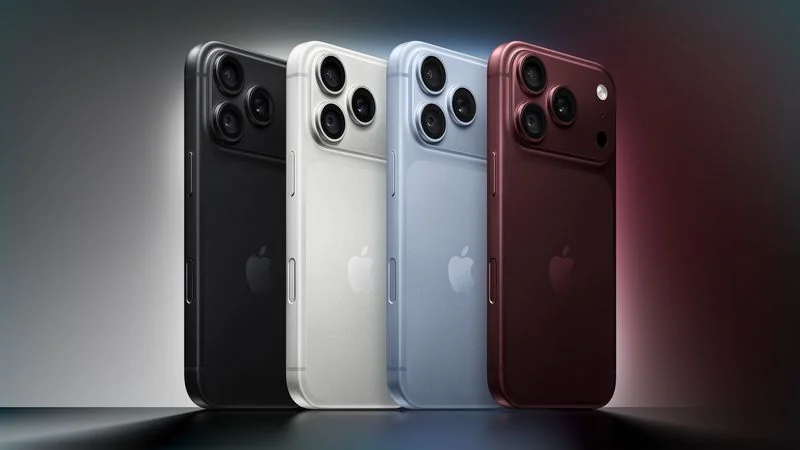
Apple’s iPhone US market share climbed to 57% in the third quarter of 2026, up from 50% a year earlier, according to U.S. Market Monitor data from Counterpoint Research. The gain came even as U.S. smartphone shipments fell 9% year-over-year in the quarter.
Apple was the only major manufacturer to avoid a shipment decline. Counterpoint attributed the wider market drop to rising memory costs, which hit Android manufacturers hardest at the low end, where thin margins leave little room to absorb higher component prices without raising prices or cutting volume.
Why Rising Memory Costs Are Reshaping the Market
The pressure on low-end Android vendors helps explain the uneven results across the industry. Brands that rely heavily on budget devices had the least flexibility when memory prices climbed.
Premium-focused manufacturers, by contrast, had more room to absorb component cost increases. That dynamic played a central role in Apple’s ability to grow its iPhone US market share while the overall market contracted.
The pattern also matters for buyers. When memory costs rise, budget phones are often the first to see price hikes or reduced availability, while premium devices tend to hold steadier. For consumers weighing an upgrade, that shift can change which phones offer the best value in a given quarter.
Samsung Holds Steady as Motorola Slips
Samsung held its ground at 25% share, up one point year-over-year, supported by its flagship Galaxy S and Z series devices and the low-end Galaxy A-series. The combination of premium flagships and affordable entry models gave Samsung a buffer that many rivals lacked.
Motorola took the biggest hit. Its share fell four points to 8% as memory costs squeezed its large low-end lineup, essentially reversing the share growth it posted in the second quarter. The swing illustrates how quickly momentum can shift for brands concentrated in budget segments.
Google’s Pixel 11 launch was not strong enough to prevent a slight decline in share.
| Manufacturer | Q3 2026 Share | Year-Over-Year Change |
|---|---|---|
| Apple | 57% | +7 points |
| Samsung | 25% | +1 point |
| Motorola | 8% | -4 points |
| Slight decline | Down |
Carrier Sales Point to a Soft Fourth Quarter
Smartphone sales at the Big Three carriers already declined 4% year-over-year in Q3. Counterpoint similarly expects weak Q4 sales, as consumers increasingly time purchases around the best deals.
That timing behavior is worth watching. When shoppers hold off for promotions, quarterly shipment figures can swing sharply, and manufacturers with strong flagship lineups often fare better during discount periods than those dependent on low-margin budget devices.
The U.S. figures mirror a broader pattern. Counterpoint’s global third-quarter data likewise showed Apple gaining share in a shrinking smartphone market, suggesting the company’s momentum is not limited to one region.
What the 57% Figure Means for Buyers
A 57% share is a striking milestone. It means more than half of all smartphones shipped in the U.S. during the quarter were iPhones, a level of dominance that shapes everything from carrier promotions to app development priorities.
For shoppers, the shift underscores how component costs can influence pricing and availability, particularly in the budget Android segment. With memory prices pressuring low-end devices and consumers waiting for promotions, the fourth quarter could bring aggressive deal activity as carriers and manufacturers compete for fewer upgrades.
For anyone planning a purchase, the takeaway is simple: watch carrier promotions closely, compare premium and budget options carefully, and expect budget Android pricing to stay under pressure as memory costs persist.