

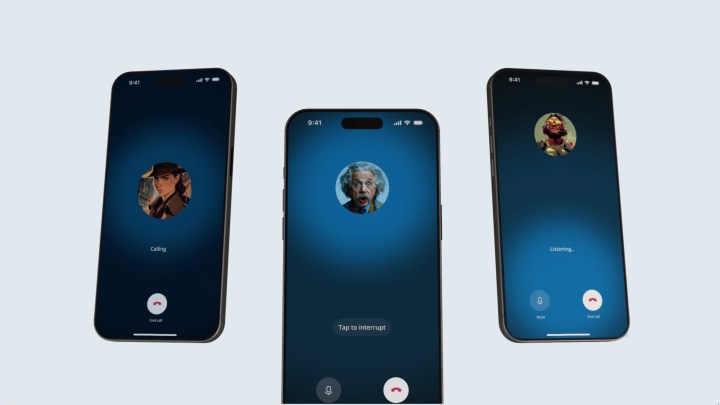
The Character.AI chat auction is at the center of a growing legal fight. When an AI company goes bankrupt, what happens to the private conversations people trusted it with? For Character.AI, the answer appears to be: sell them to the highest bidder. Now, 42 state attorneys general are stepping in to stop it.
- What the Character.AI Chat Auction Would Sell
- Who Is Behind the Base Bid
- Why the Attorneys General Object
- Bonta: Bankruptcy Should Not Sidestep Protections
- Tong Criticizes Character.AI‘s Business Model
- The Disney Deal and Its Parallels
- How Character.AI Reached This Point
- Which States Are Opposing the Sale
- What Happens Next
Character.AI, the chatbot maker, filed for Chapter 11 bankruptcy in October. As part of those proceedings, it plans to auction off sensitive user data, including the private chat histories of millions of users. A coalition of attorneys general is challenging that plan in bankruptcy court, arguing it would strip away consumer protections.
What the Character.AI Chat Auction Would Sell
According to individual press releases from the attorneys general involved, the dataset up for sale includes chat histories from more than 21 million U.S. accounts. More than 2.1 million of those accounts belong to minors.
The sale would also include other personal data, such as IP addresses, according to the statements.
Character.AI had previously told consumers their personal information would not be sold. In a blog post, the company assured users that their information would still be protected under its privacy policy.
Who Is Behind the Base Bid
So far, only one anonymous bidder for the chat data has been disclosed: Smirks and Pangs Acquisition LLC (Smirks). The company was set up in Delaware on November 13, 2026.
The following day, Character.AI selected Smirks as the base bid for the auction, which is scheduled for December 1, according to California Attorney General Rob Bonta. It is unclear what the buyer plans to do with the chats.
Why the Attorneys General Object
The attorneys general oppose the sale because, in their view, there are no protections for users. Whoever buys the data can do as they like, including reselling it without disclosure, they said.
Buyers also won’t have to honor Character.AI‘s privacy policy. In addition, the attorneys general claim Character.AI hasn’t provided the court with as much information as bidders have been given about potential safety or legal issues following the sale.
Some states, including California, Colorado, New York, and Connecticut, have enacted chatbot safety legislation that takes effect on January 1, 2027. If the sale goes through, those laws could trigger further violations, the statements noted.
Bonta: Bankruptcy Should Not Sidestep Protections
Bonta was direct about the company’s earlier promise to users.
“Character.AI promised consumers that their data would not be sold. This kind of behavior is illegal under federal and California law and bankruptcy should not be used to sidestep these consumer protections,” Bonta said in a statement.
Tong Criticizes Character.AI‘s Business Model
Connecticut Attorney General William Tong also criticized the company’s approach.
“Their chatbots drove vulnerable youth down a rabbit hole of emotionally volatile and sexually inappropriate chats,” Tong said. “Their reckless misconduct and broken business model drove their company into the ground. Now they want to abuse the bankruptcy process to do exactly what they said they wouldn’t do — auction off those private chat records and personal details to a shady buyer.”
Tong added: “We objected to the Disney sale, and we’re calling on the bankruptcy court to reject this sale too as yet another guise to eviscerate legal liability and consumer protection.”
The Disney Deal and Its Parallels
The opposition to the Disney sale was led by a similar but not identical coalition of state attorneys general. That group fought a proposed $20 million licensing deal that would give Disney access to Character.AI‘s intellectual property, but not to users’ chats.
The Disney deal has not yet received final court approval. Disney also agreed to hire most of Character.AI‘s remaining staff.
How Character.AI Reached This Point
Character.AI suffered after its co-founders, Noam Shazeer and Daniel De Freitas, returned to Google, when the tech giant signed a non-exclusive license to use the AI startup’s tech.
The company also faced lawsuits related to child safety. One involved the suicide of a 14-year-old Florida boy whose mother claimed he had become obsessed with a chatbot on the platform.
Which States Are Opposing the Sale
Bonta is joined in the effort by attorneys general from Alaska, Arkansas, Colorado, Connecticut, the District of Columbia, Delaware, Florida, Georgia, Hawaii, Idaho, Illinois, Indiana, Kansas, Kentucky, Louisiana, Maine, Maryland, Michigan, Minnesota, Mississippi, Missouri, Nevada, New Hampshire, New Jersey, New York, North Carolina, North Dakota, Ohio, Oklahoma, Oregon, Pennsylvania, Rhode Island, South Carolina, South Dakota, Tennessee, Utah, Virginia, Vermont, Washington, Wisconsin, and West Virginia.
What Happens Next
The bankruptcy court will weigh the objections before the December 1 auction proceeds. For users, the core question remains unresolved: whether private conversations entrusted to an AI chatbot can be treated as an asset to be sold when the company fails. The attorneys general argue they cannot, at least not without protections. Character.AI maintains its privacy policy still applies.