

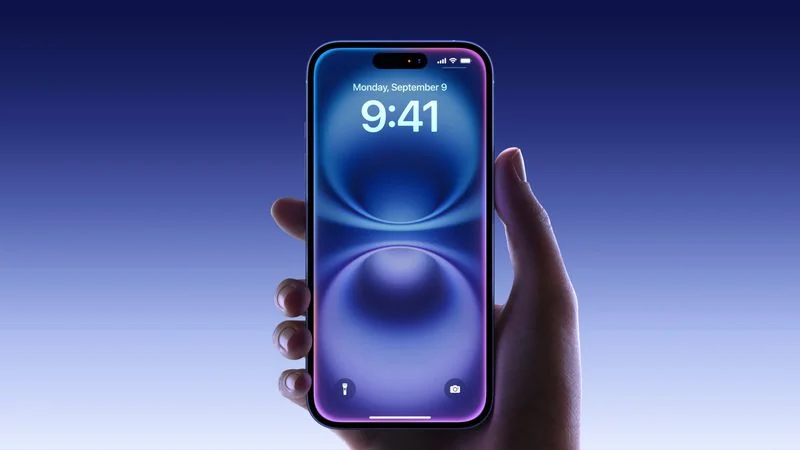
Apple is facing a formal probe in South Korea over allegations that its iPhone 16 AI advertising misled consumers about the availability of Apple Intelligence features. Investigators at the country’s Fair Trade Commission (FTC) have referred Apple and Apple Korea for review, alleging that several Apple Intelligence features were not delivered as advertised.
The case centers on a simple but important question: did Apple clearly explain which AI features were ready at launch and which ones would arrive later? Regulators argue the answer is no, and the outcome could shape how tech companies market artificial intelligence in future product launches.
What the Korean Regulator Alleges
The FTC’s Examiner’s Report claims that several Apple Intelligence features were promoted but not available as described. These include:
Genmoji
Image Playground
Siri’s ability to understand personal context and onscreen awareness
The allegations focus on whether Apple adequately explained which features were available and when others would arrive. This is not about whether the features exist at all, but about the timing and clarity of the marketing claims made to consumers.
The Siri Timeline at the Heart of the Case
The report highlights Siri’s personal-context capabilities as a key example. According to the FTC’s report, Siri’s personal-context capabilities were advertised for Korean availability in early April 2025 but did not arrive until October 2026 — approximately 18 months later.
That gap between the advertised timeline and actual delivery is central to the regulator’s concerns. For buyers who purchased the iPhone 16 expecting certain AI features to be available soon, the delay raises questions about how clearly the rollout was communicated.
Apple’s Response to the Investigation
Apple provided a statement defending its conduct and confirming its cooperation with the investigation:
“At Apple, we deeply value the relationship with our customers in Korea and have always focused on delivering the best products and services in the world. Since we added Korean language support for Apple Intelligence last year, users have benefited from dozens of powerful features that are integrated across Apple’s platforms. And we have continued to build on that commitment with the recent launch of Korean language support for Siri AI, an entirely new version of Siri that’s more capable, conversational, and personal. We have cooperated with the KFTC’s investigation and disagree with the conclusions in the Examiner’s Report. We look forward to presenting a fulsome defense before the Commission.”
The Commission has not yet issued a final ruling or imposed a penalty. Apple maintains that it has delivered meaningful AI features to Korean users and disputes the conclusions in the Examiner’s Report.
A Pattern of Scrutiny Beyond Korea
The Korean case is not an isolated incident. Apple has faced similar complaints about its Apple Intelligence marketing in the United States and other major markets, suggesting a broader pattern of regulatory attention on AI advertising.
U.S. Advertising Watchdog Inquiry
In April 2025, Apple removed its “available now” marketing claim from its Apple Intelligence page following a National Advertising Division inquiry. The advertising watchdog found that the wording implied that all listed features were available, and that a footnote explaining the phased rollout was insufficiently clear.
Apple disagreed with the findings but ultimately complied with the recommendation. This case established a precedent that regulators and watchdog groups have continued to reference when examining AI marketing claims.
$250 Million Class-Action Settlement
In May 2026, Apple agreed to a $250 million settlement in a U.S. class-action lawsuit. The suit alleged that Apple misled buyers about the availability of Apple Intelligence and Siri features when the iPhone 16 was released in September 2024.
The settlement represented one of the largest payouts related to AI feature advertising and signaled that courts were willing to take consumer claims about delayed AI features seriously.
Why This Matters for Consumers
For buyers, the Korean review of iPhone 16 AI advertising underscores a practical lesson: AI features announced alongside a new device may roll out gradually, and availability can vary significantly by language and region.
Check which features work at launch in your specific market.
Look for clear timelines rather than general promises about future updates.
Treat footnotes about phased rollouts as important details, not fine print.
Research whether advertised AI capabilities are available in your language before purchasing.
These steps can help consumers make informed decisions and avoid disappointment when features arrive later than expected.
What Happens Next
Korean regulators are still weighing the allegations, and Apple says it will present a full defense before the Commission. The case could result in a penalty or formal ruling, though no decision has been announced yet.
The outcome may also influence how other technology companies approach AI advertising in South Korea and beyond. If regulators conclude that Apple’s marketing was misleading, the precedent could require clearer disclosure about feature availability and rollout timelines for future products.
For now, the review remains ongoing. Apple continues to defend its marketing practices, while regulators examine whether consumers received accurate information about the AI features promised with the iPhone 16.