
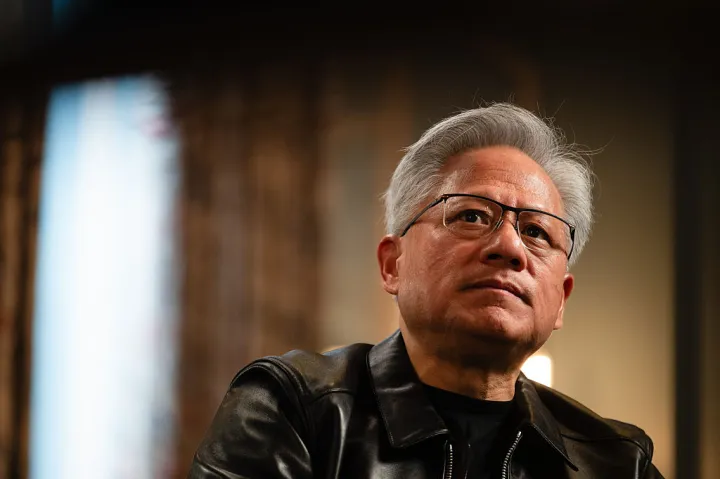
Jensen Huang has agreed to testify Congress, House Foreign Affairs Committee Chairman Brian Mast said Thursday. The former Nvidia CEO made the decision after several senior lawmakers threatened to subpoena him.
Huang, who stepped down as CEO following reports of an alleged affair with a woman suspected of spying for China, agreed to appear on Wednesday. His testimony is expected before Thanksgiving, which falls later this month.
The agreement sets up a high-stakes closed-door session involving three powerful House committees and one of the most important technology companies in the United States.
Why Jensen Huang Will Testify Congress
The development follows a letter sent on November 4 by House Republicans Brian Mast, John Moolenaar, and Rick Crawford. The three lawmakers requested that Huang appear before their committees, each of which holds jurisdiction over a different part of the matter.
Brian Mast chairs the House Committee on Foreign Affairs.
John Moolenaar chairs the House Select Committee on the Chinese Communist Party.
Rick Crawford chairs the House Intelligence Committee.
Together, the committees cover foreign policy, competition with China, and intelligence oversight. That combination gives the requested testimony broad scope and raises the stakes for the former CEO.
Mast’s Comments Ahead of the Testimony
Mast spoke to reporters about the upcoming appearance and acknowledged a history of disagreement with Huang over export controls.
“Jensen and I have been very at odds as some of you already know on export controls, but Nvidia is a very important company to the United States of America,” Mast said. “I don’t want to see anything hurt in Nvidia, but he has some very serious questions to answer.”
The remark suggests lawmakers intend to press Huang on policy matters while signaling they do not wish to damage the company itself. It also previews the tone of the questioning: firm, detailed, and focused on national priorities.
Background on Huang’s Departure from Nvidia
Huang stepped down as CEO following reports of an alleged affair with a woman suspected of spying for China. That controversy is part of what has drawn congressional scrutiny to his leadership and to the company’s exposure.
The circumstances of his departure have made his testimony a focal point for lawmakers seeking clarity on national security questions. It has also intensified public interest in how the company handled the situation internally.
The Closed-Door Format
The testimony will take place behind closed doors. Mast said he expects the briefing to be recorded on video and transcribed, which would preserve a record of the proceedings even though the public will not be in the room.
A closed-door format is common for briefings involving sensitive intelligence or national security matters. Lawmakers can ask detailed questions without publicly disclosing information that could affect ongoing reviews or investigations.
What Lawmakers Are Expected to Ask Jensen Huang
The questioning is likely to center on export controls, given Mast’s public comments about his disagreements with Huang on the issue. Export controls govern which advanced technologies, including AI chips, can be sold to certain countries and have been a major policy topic for the company.
Lawmakers may also explore the allegations surrounding Huang’s departure and whether any national security risks were present during his tenure. Because the session is private, the full scope of questions may not be known immediately.
However, the expectation of a video recording and transcript means key details could become public later. That possibility adds pressure on all sides to prepare carefully.
Why the Testimony Matters
The appearance puts a spotlight on one of the most important technology companies in the United States at a time of intense debate over AI and export policy. Lawmakers from three powerful committees will have the opportunity to question the company’s former leader directly.
For the company, the testimony is a test of how it handles congressional scrutiny while continuing to operate in a fast-moving industry. For Congress, it is a chance to gather information on matters that touch both foreign affairs and intelligence.
The Thanksgiving Deadline
Huang has agreed to testify before Thanksgiving, which falls later this month. That timeline gives lawmakers a limited window to prepare and gives the public a clear point by which to expect the session to occur.
The deadline also reflects the pressure created by the subpoena threat. Senior lawmakers had signaled they were prepared to compel his appearance if he did not agree voluntarily, making the agreement a notable outcome.
What Happens Next
Huang’s testimony will take place behind closed doors, with expectations of video recording and a transcript. Afterward, attention will turn to whether lawmakers release any findings or call for further action.
The session is part of a broader examination of AI, export controls, and national security. How Congress proceeds after hearing from Huang could shape the policy conversation around the company and the industry in the months ahead.
For now, the key facts are straightforward: Huang has agreed to testify Congress, the testimony is scheduled before Thanksgiving, and three committee chairs will lead the questioning. The rest will become clear once the closed-door briefing concludes.